
Table of Contents
Start your free trial.
Start your free trial.

Start your free trial.


Table of Contents
Executive Summary
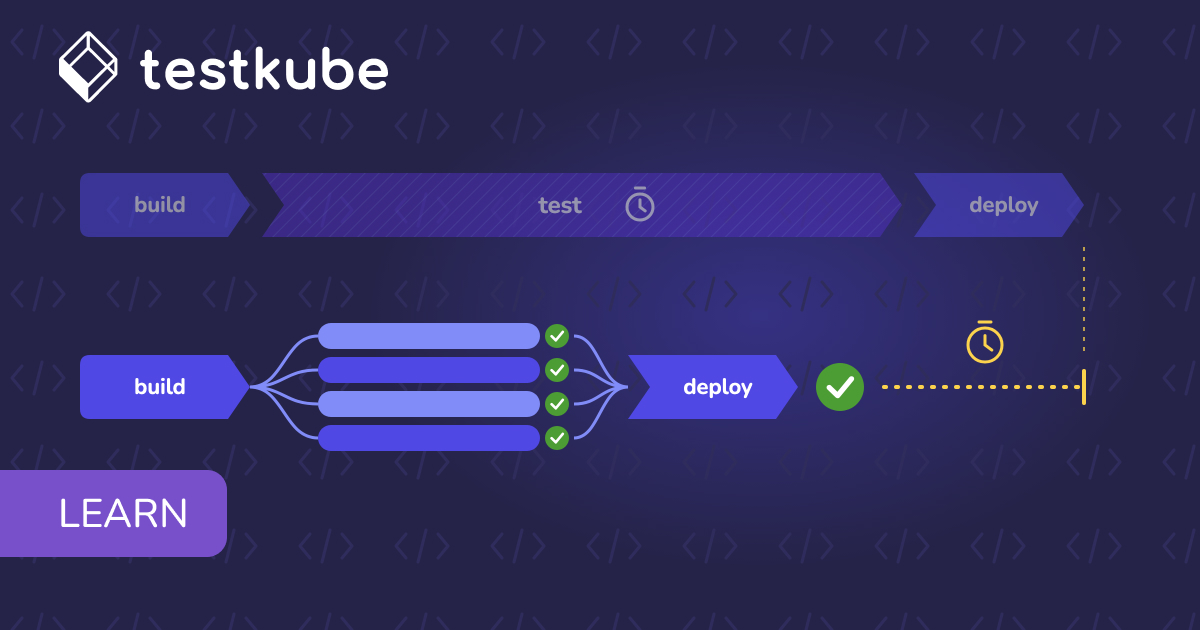
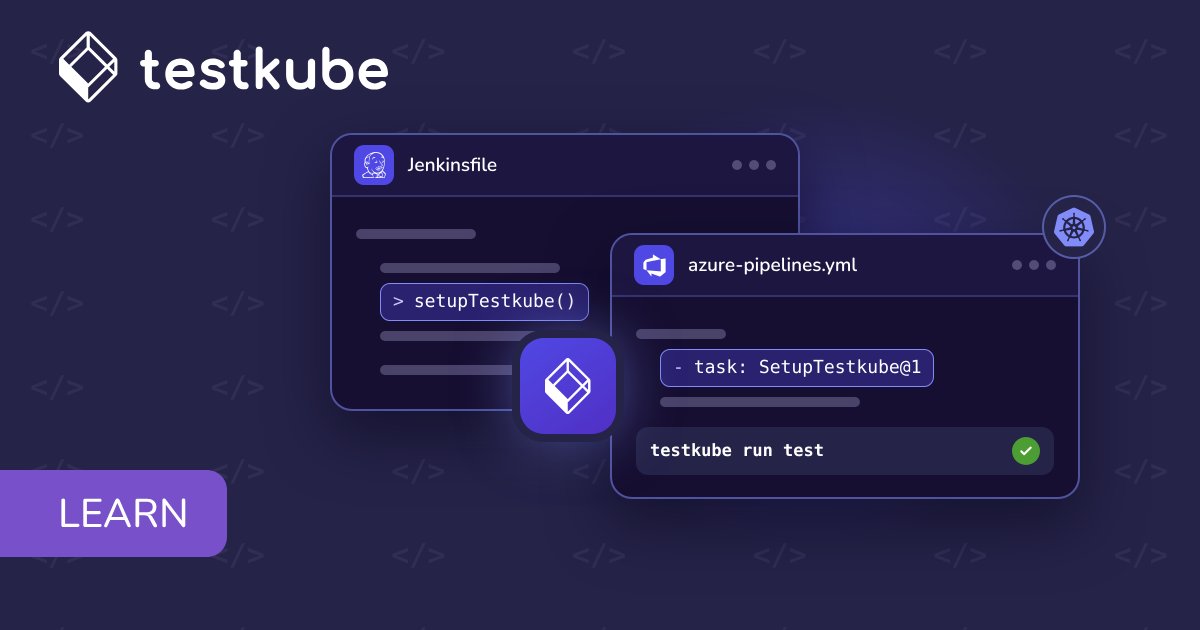
Gone are the days of manual test triggers and hours of waiting for feedback! Today, we’re excited to announce the release of Testkube’s native Jenkins and Azure integrations, designed to help you manage your Testkube installation and bring all the power of advanced test orchestration and execution in Kubernetes directly into your pipelines.
You can find the list of all Testkube CI/CD integrations here.
Let’s start by taking a look at the Jenkins Plugin.
Using Testkube with Jenkins
The Testkube Jenkins Plugin offers a versatile solution for integrating your testing workflows with your Jenkins pipelines. The plugin is compatible with Testkube Pro, Testkube Enterprise, and the open-source Testkube platform.
How to Get Started with the Jenkins Testkube Plugin
You can install the Jenkins Testkube CLI plugin by referring to the Jenkins Plugins site.
Once installed, to use the Jenkins Plugin for Testkube Pro, you need to create an API token.
Then, pass the TK_ORG, TK_ENV, and TK_API_TOKEN environment variables to configure the CLI. Additional parameters can be passed to the CLI directly based on your use case:
pipeline {
    agent any
    environment {
        TK_ORG = "org-id"
        TK_ENV = "env-id"
        TK_API_TOKEN = credentials("tk_api_token")
    }

    stages {
        stage('Example') {
            steps {
                script {
                    setupTestkube()
                    sh 'testkube run test your-test'
                    sh 'testkube run testsuite your-test-suite --some-arg --other-arg'
                }
            }
        }
    }
}
Visit the official plugin page or check out our documentation for a more thorough step-by-step.
Using Testkube with Azure
The Azure DevOps extension makes it seamless to incorporate Testkube test execution into your Azure pipelines. Just like the Jenkins plugin, it works with Testkube Pro, Testkube Enterprise, and Testkube Open Source.
How to Get Started with the Azure Testkube Extension
The example below passes the TK_ORG, TK_ENV, and TK_API_TOKEN environment variables to configure the Testkube Extension. Additional parameters can be passed to the extension directly based on your use case:
trigger:
- main

pool:
  vmImage: 'ubuntu-latest'

stages:
- stage: Test
  jobs:
  - job: RunTestkube
    steps:
    - task: SetupTestkube@1
      inputs:
        organization: '$(TK_ORG_ID)'
        environment: '$(TK_ENV_ID)'
        token: '$(TK_API_TOKEN)'
    - script: testkube run test test-name -f
      displayName: Run Testkube Test
Visit the official extension page or check out our documentation for a more thorough step-by-step.
Start Optimizing Testing in Your CI/CD Pipelines
Sign in to your Testkube Pro account or start a free trial today.
You can find the resources you need to get started in our documentation, and don’t forget to join our Slack for further support or to provide feedback. We’re looking forward to chatting with you!
Frequently Asked Questions
{{banner-get-started}}
About Testkube
Testkube is the open testing platform for AI-driven engineering teams. It runs tests directly in your Kubernetes clusters, works with any CI/CD system, and supports every testing tool your team uses. By removing CI/CD bottlenecks, Testkube helps teams ship faster with confidence.
Get Started with a trial to see Testkube in action.