Table of Contents
Further Reading

No items found.


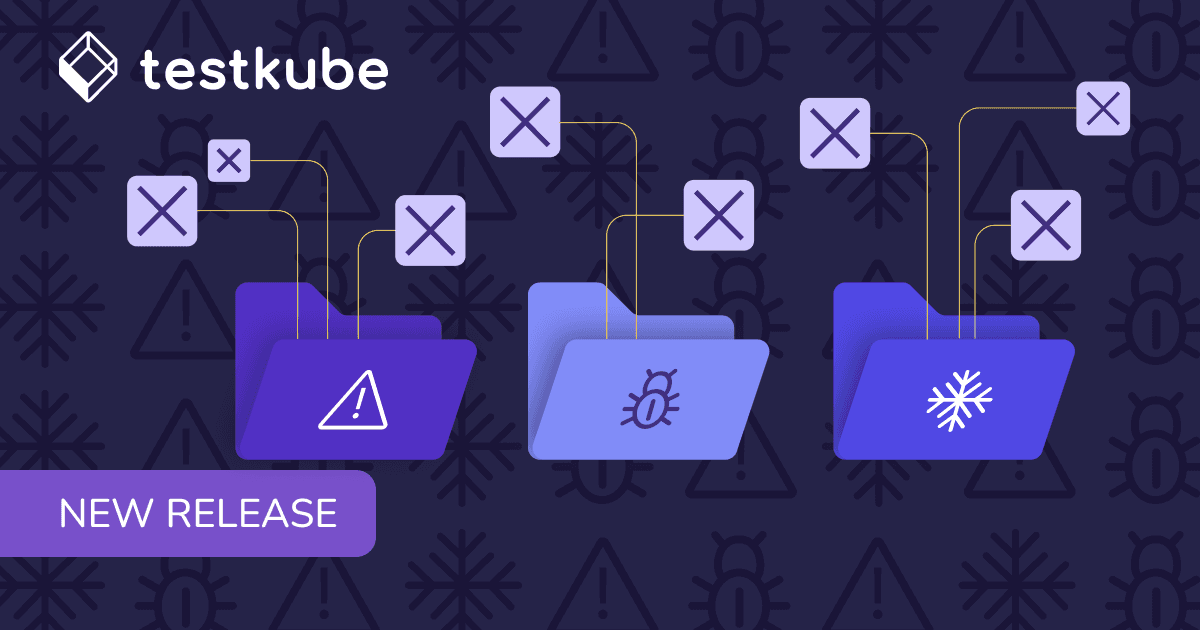
A failed test tells you something broke. It rarely tells you what, and that gap is where the time goes.
When a test fails, finding out why is rarely straightforward. You open the execution logs, scroll through hundreds of lines, cross-reference earlier runs, and try to piece together what went wrong. For complex failures, that means pulling logs from the system under test, checking environment configurations, and comparing against historical patterns.
The process eats time. A single failure investigation can run 10 to 30 minutes depending on complexity. Multiply that across dozens of failures a day and the drain on engineering productivity adds up. The context switching alone breaks focus and slows the work that actually moves releases forward.
The deeper issue is that CI/CD pipelines can execute tests but cannot reason about the results. They report pass or fail without the context you need to act. Teams fill the gap with scripts and manual runbooks, and those do not hold up as test suites grow and environments multiply.
Testkube's AI Agent Framework runs agents that analyze test failures for you. Rather than sifting through the data by hand, you can task an agent to examine logs, artifacts, execution history, and environment context, then return a clear summary of what went wrong and why.
These agents run on the Testkube platform with native access to your test workflows, execution metadata, and historical results. They reason over the data, find patterns across runs, and surface insights that take a human much longer to reach.
The agent works interactively. If the first pass is inconclusive, you can prompt it to examine more executions, focus on a specific time range, or correlate failures with external factors. It works like a senior engineer on call who already has full context on your test infrastructure.
Generic AI tools make you copy and paste logs and explain your setup before they can help. IDE-based assistants have no access to execution history or cluster-scale data. Testkube agents are grounded in your actual test infrastructure, with native access to workflows, results, and artifacts. They reason over real data, not the summaries you feed them.
A failed test should hand you an answer, not an afternoon of scrolling. Testkube gives every agent native access to your logs, artifacts, and run history, so you find the why in seconds and spend your time on the fix.
Test faster, ship with confidence, and stay in control.




.jpg)